
How Can I Test My Standby Generator?
A standby generator is installed in a home or business to serve as a back-up energy system in the event of a power outage in the main electrical grid. Standby generators are designed to switch on automatically in the event of an outage, to ensure that you experience minimal inconvenience. If you have a standby generator system, or you are planning to install one, then it is recommended that you learn the proper methods to test your standby generator. By testing your standby generator regularly, you are ensuring that it is functioning properly, and it will be able to serve you well in the event of a power outage. We advise you to test your standby generators several times a year, especially if you are expecting a period of severe weather.
To test your standby generator, follow these steps below:
– Turn your mainline breaker off. Turning the mainline breaker off will cut off the power incoming from the main grid. This will trigger the automatic transfer switch to turn on your standby generator.
– Listen for the automatic transfer switch to turn your standby generator on. After cutting the power from your mainline breaker, the standby generator should turn on in a few seconds. If there is a considerable delay in the time it takes your standby generator to kick on, then you should take note.
– Leave your generator on for 15 minutes. Give your standby generator enough time to properly cycle on. Use this time to inspect your home’s appliance and devices to ensure that the power has been restored properly.
– Turn your mainline breaker back on. In a process similar to when you turned your mainline breaker off, turning the breaker on should trigger your standby generator to power off, allowing the main power grid to begin powering your house again.
It is important that you run through this process a few times every year to ensure that you have enough time to get your standby generator serviced before an outage event if you notice any issues or complications. If weather reports indicate that an upcoming event is expected in your area, such as an earthquake, hurricane, or severe thunderstorm, then it is a good idea to run through this test in preparation for an outage. If all is well, then you have peace of mind. But if you do run into any problems, then you give yourself time to either get your generator serviced, or make other preparations to ensure the security of your home or business.
As always, please feel free to consult our website if you have any further questions. If you notice any issues with your standby generator after running the test mentioned above, then you can certainly contact our team of industry professionals here at Northside Power. We are happy to answer your questions, or set up a site visit or consultation. Your safety and security is our top priority here, so we implore you to keep your standby generators properly tested and serviced.

10 Questions to Ask Before Buying a Home Generator
A reliable backup power source can make all the difference when storms or unexpected blackouts hit. Investing in a home generator ensures your family stays safe, comfortable, and connected no matter the circumstances. But before you make the purchase, it’s important...

Think You Don’t Need a Generator? Think Again
When the power goes out, many homeowners realize just how much they depend on electricity. From keeping food fresh to running medical equipment, reliable energy isn’t just about convenience, it’s about safety and comfort. If you’ve been putting off investing in a...

Generator Safety During Power Outages: What Every Homeowner Should Know
When the lights go out, your generator becomes your lifeline, keeping refrigerators cold, medical devices running, and your family comfortable. But while these machines are incredibly useful, improper use can lead to serious hazards. If you’re using or considering a...

Why Your Generator Won’t Start and How to Fix It
There’s nothing more frustrating than needing backup power, only to find your generator won’t start. Whether it’s during a power outage or routine maintenance, a non-starting generator can leave you stressed and scrambling. Luckily, many common issues have simple...

Whole-House Generators: Are They Worth the Investment?
Power outages can happen anytime from summer storms to grid failures to surprise maintenance work. For many Arkansas homeowners, especially in rural areas or neighborhoods with frequent weather disruptions, whole house generators have become a smart solution. But are...

Solar Generator vs. Gas Generator: Which One Fits Your Needs?
Choosing the right power source can make all the difference when the lights go out or when you're living off-grid. One of the most common debates today is the comparison between a solar generator vs. gas generator. Both have strengths, both have limitations, and...
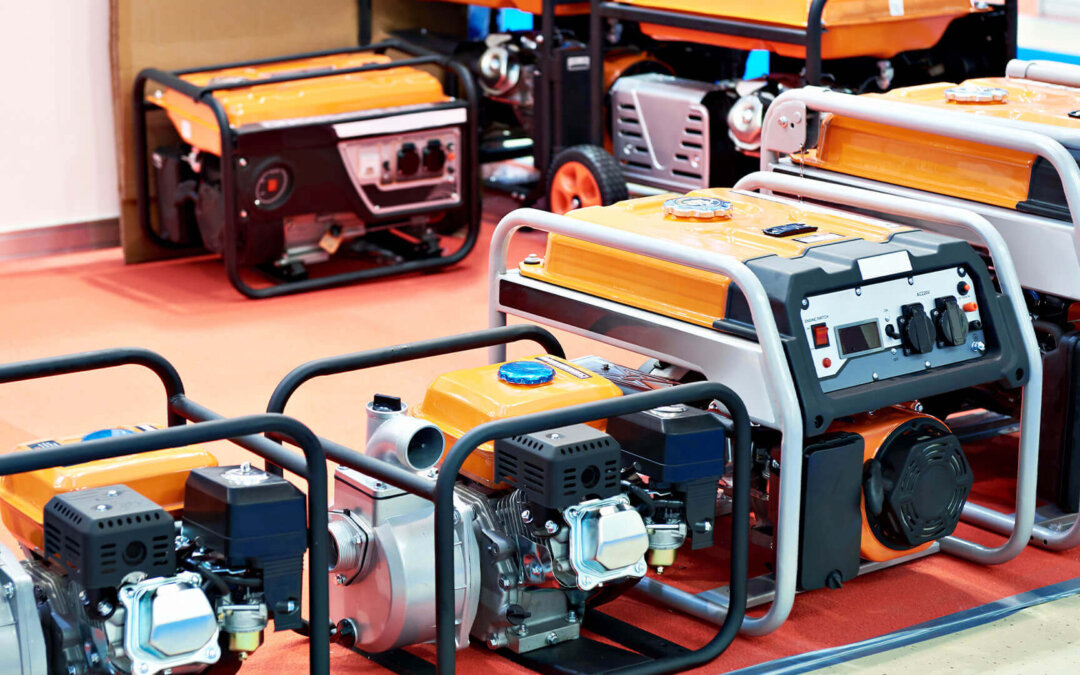
The Ultimate Guide to Generator Types: Which One is Right for You?
When the power goes out, having a reliable generator can mean the difference between comfort and chaos. But with so many generator types on the market, choosing the right one can feel overwhelming. Whether you're powering a home, business, job site, or cabin,...

Avoid Costly Repairs: Regular Generator Maintenance Guide
Owning a generator is one of the smartest ways to ensure your home or business stays powered during outages. But like any mechanical system, generators require upkeep. Without regular generator maintenance, even the best unit can break down when you need it...

Best Generators for Off-Grid Living: Top Picks for Remote Cabins
Living off the grid in a remote cabin offers serenity, self-reliance, and a break from the hustle of urban life. However, off-grid living also comes with one undeniable challenge: reliable electricity. Whether you are powering lights, charging devices, or running...

How to Calculate the Right Generator Size for Your Home or Business
Choosing the correct generator size is crucial for ensuring your home or business remains powered during an outage. Misjudging the power needed for your generator can result in system overloads or wasted fuel. This guide will help you understand how to accurately...

Recent Comments