
How Can I Test My Standby Generator?
A standby generator is installed in a home or business to serve as a back-up energy system in the event of a power outage in the main electrical grid. Standby generators are designed to switch on automatically in the event of an outage, to ensure that you experience minimal inconvenience. If you have a standby generator system, or you are planning to install one, then it is recommended that you learn the proper methods to test your standby generator. By testing your standby generator regularly, you are ensuring that it is functioning properly, and it will be able to serve you well in the event of a power outage. We advise you to test your standby generators several times a year, especially if you are expecting a period of severe weather.
To test your standby generator, follow these steps below:
- Turn your mainline breaker off. Turning the mainline breaker off will cut off the power incoming from the main grid. This will trigger the automatic transfer switch to turn on your standby generator.
- Listen for the automatic transfer switch to turn your standby generator on. After cutting the power from your mainline breaker, the standby generator should turn on in a few seconds. If there is a considerable delay in the time it takes your standby generator to kick on, then you should take note.
- Leave your generator on for 15 minutes. Give your standby generator enough time to properly cycle on. Use this time to inspect your home's appliance and devices to ensure that the power has been restored properly.
- Turn your mainline breaker back on. In a process similar to when you turned your mainline breaker off, turning the breaker on should trigger your standby generator to power off, allowing the main power grid to begin powering your house again.
It is important that you run through this process a few times every year to ensure that you have enough time to get your standby generator serviced before an outage event if you notice any issues or complications. If weather reports indicate that an upcoming event is expected in your area, such as an earthquake, hurricane, or severe thunderstorm, then it is a good idea to run through this test in preparation for an outage. If all is well, then you have peace of mind. But if you do run into any problems, then you give yourself time to either get your generator serviced, or make other preparations to ensure the security of your home or business.
As always, please feel free to consult our website if you have any further questions. If you notice any issues with your standby generator after running the test mentioned above, then you can certainly contact our team of industry professionals here at Northside Power. We are happy to answer your questions, or set up a site visit or consultation. Your safety and security is our top priority here, so we implore you to keep your standby generators properly tested and serviced.
How Whole Home Backup Power Protects Modern Families
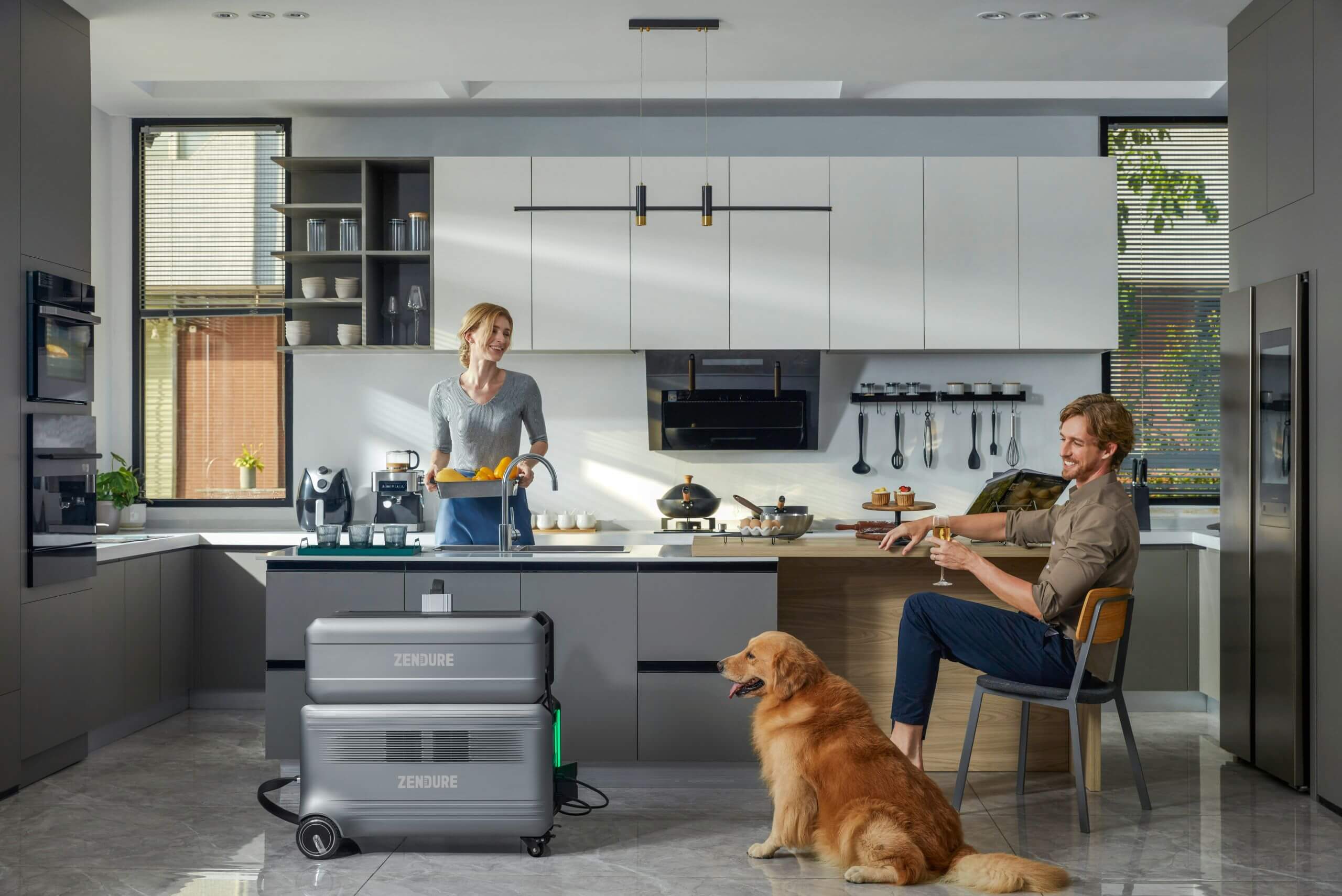
Modern families depend on electricity for nearly every part of daily life. From refrigeration and air conditioning to internet access, security systems, home offices, and essential medical equipment, a power outage can affect far more than the lights in a room. When utility power suddenly disappears, having a dependable backup system can make the difference between a manageable inconvenience and a major disruption.
Whole home backup power provides a way to keep essential systems operating when the electrical grid is unavailable. Rather than asking which appliances need to be unplugged or relying on extension cords during an outage, homeowners can use a properly sized whole home generator to support the electrical demands of the property. For families who want convenience, security, and greater control over unexpected outages, investing in reliable home generator systems can provide significant long-term value.

8 Things to Know Before Shopping for a Home Generator
Shopping for a generator is not quite like shopping for an everyday household appliance. A generator is an investment in backup power, and choosing the right system requires some thought before you ever make a purchase. With so many generators for sale from different manufacturers, sizes, fuel types, and configurations, it can be easy to focus on price or wattage while overlooking the factors that will determine whether the equipment is actually right for your home.
Before visiting a generator store or searching for generator sales near me, take some time to understand what your property needs. The right generator should match your electrical demand, intended use, available fuel, installation requirements, and expectations for long-term reliability.
Here are eight things every homeowner should understand before buying.

How Generator Pads Protect Your Investment
When homeowners think about installing a backup generator, most of the attention naturally goes toward choosing the generator itself. Power capacity, fuel type, brand, and automatic operation are all important considerations. However, one part of the installation process that can easily be overlooked is the generator pad.
A generator pad provides the foundation for a permanently installed backup power system. It helps keep the equipment level, stable, and properly positioned while protecting it from conditions that could affect its long-term performance. Whether you are investing in a new residential generator or replacing an older unit, the foundation beneath your equipment deserves just as much consideration as the generator itself.
Professional home generator installation involves far more than delivering a generator and connecting it to your electrical system. Site preparation, equipment placement, fuel access, electrical connections, drainage, and foundation support all contribute to the reliability of the finished system. When these details are handled correctly from the beginning, homeowners are in a much better position to protect their investment over the years ahead.
What Is an Inverter Generator and When Should You Choose One?
When shopping for backup power, homeowners quickly discover that not every generator is built for the same purpose. Some are designed to power an entire property during an extended outage, while others are better suited for temporary use, recreational activities, or powering a limited number of essential appliances. One option that has become increasingly popular is the inverter generator.
If you have ever asked what is an inverter generator and whether one is right for your needs, understanding how these systems differ from traditional generators is a good place to start. Inverter generators are known for their portability, quieter operation, and ability to produce clean electricity. However, they are not necessarily the best choice for every home or power requirement.
Before investing in a new portable generator, it is important to understand what inverter technology does, where these generators perform best, and when another type of backup power system may be the better investment.
How Generator Load Testing Helps Prevent Unexpected Failures
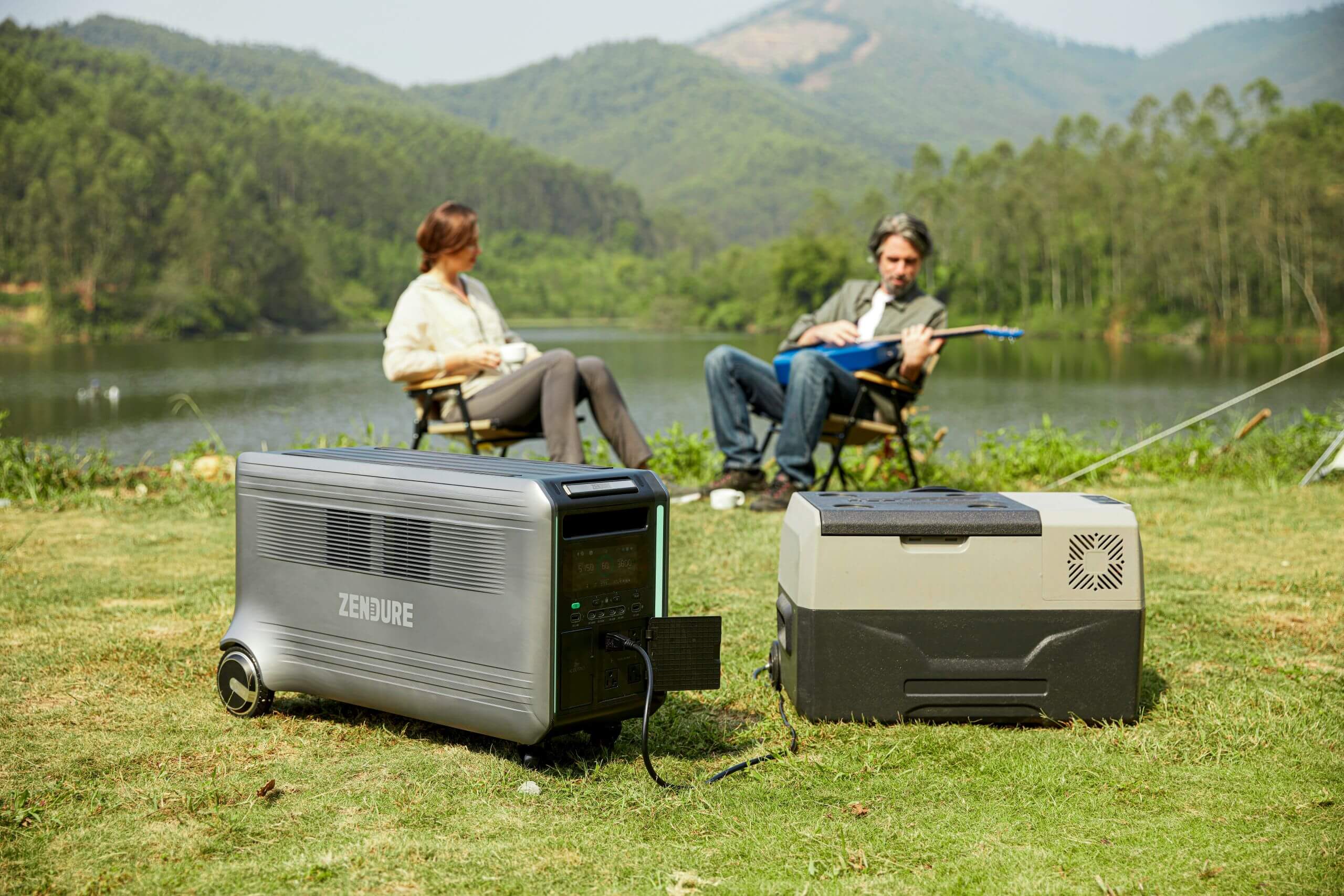
Power outages rarely happen at convenient times. They can interrupt business operations, disrupt family routines, damage sensitive electronics, and leave homeowners scrambling for solutions. While many people invest in backup generators for peace of mind, simply...
Why Automatic Generator Monitoring Gives Homeowners Peace of Mind
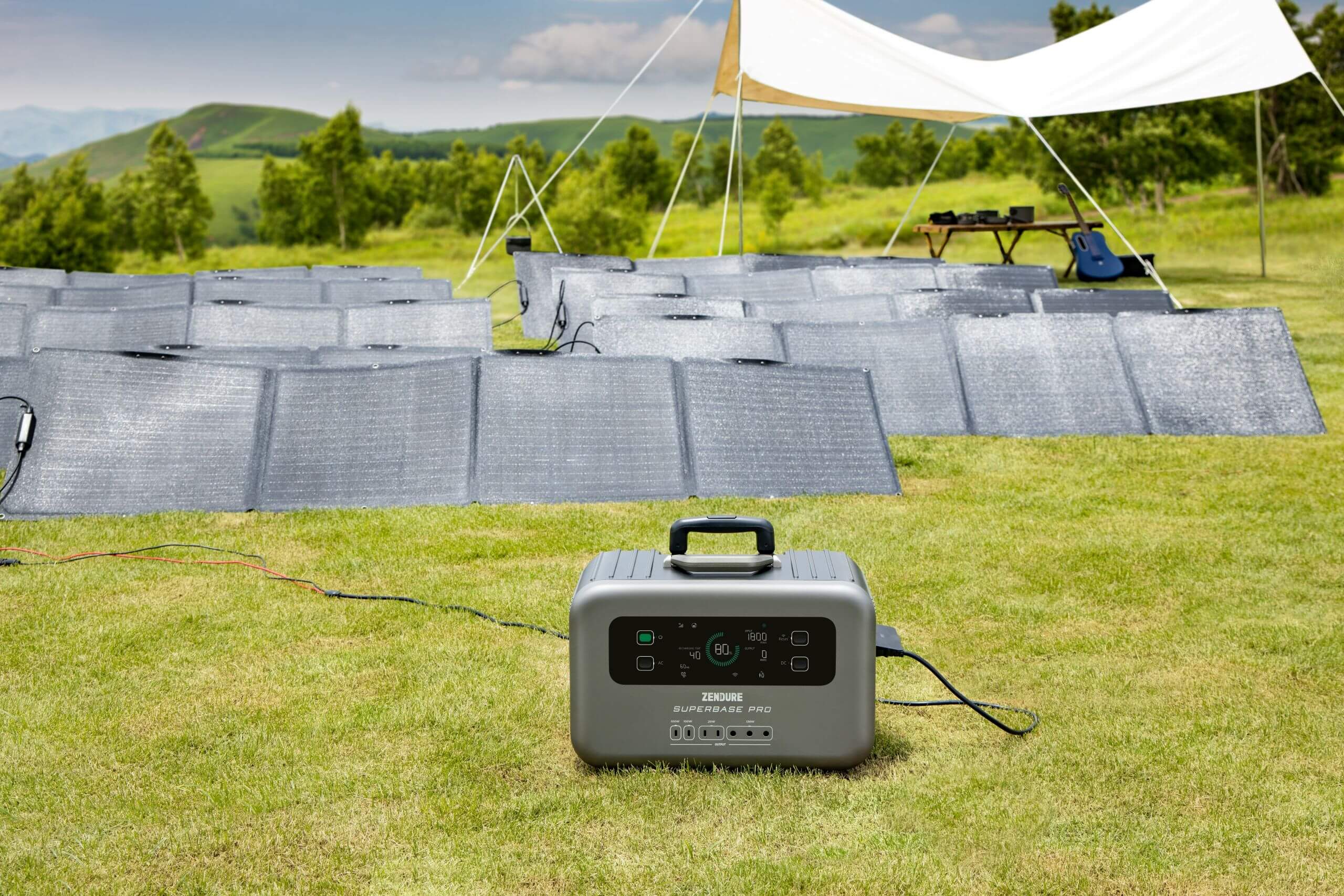
A backup generator is designed to provide security when the unexpected happens. Whether an outage lasts a few minutes or several hours, homeowners depend on their generators to keep essential systems operating without interruption. The problem is that many people assume their generator will always be ready simply because it was professionally installed.
Unfortunately, generators are mechanical systems, and every mechanical system requires ongoing attention. Batteries wear out, fuel systems develop issues, and maintenance schedules can easily be forgotten.
This is why more homeowners are turning to generator monitoring service as an additional layer of protection. Modern monitoring technology allows homeowners to keep track of their equipment’s performance without constantly checking the system manually. Instead of wondering whether their generator is ready, they can have greater confidence in its condition every day of the year.

How Generator Installation Works: What to Expect from Start to Finish
Installing a generator is one of the best ways to protect your home or business from unexpected power outages. Whether you are investing in backup power for convenience, safety, or operational reliability, understanding the installation process helps you feel more confident about the decision.
Many homeowners searching for generator installation near me are unsure what the process actually involves. From selecting the right system to final testing and maintenance planning, professional installation ensures your generator operates safely, efficiently, and reliably for years to come.
Understanding Generator Run Time: How Long Can You Rely on Backup Power?
When homeowners invest in backup power, one of the first questions they ask is how long can a generator run before it needs to be shut down or refueled. Understanding generator run time is important because it directly affects how reliable your backup power will be during outages. Whether you rely on a portable unit for occasional emergencies or a larger standby system for long-term coverage, knowing what impacts runtime helps you prepare more effectively.
Many factors influence how long generators can operate, including fuel type, load demand, maintenance, and generator size. Learning how these systems work allows homeowners to maximize efficiency while protecting the lifespan of their equipment.
Common Generator Problems and How to Fix Them Before They Get Worse
Generators are one of the most important investments a homeowner or business owner can make for backup power. Whether you rely on a portable unit during outages or a permanent standby system for your property, keeping your generator in good condition is essential. Unfortunately, many people ignore small warning signs until they become expensive repairs or complete system failures.
Understanding the most common generator problems and addressing them early can help extend the life of your equipment, improve reliability, and reduce downtime when you need power the most.
Preparing for Summer Power Outages: Why a Home Standby Generator Matters
Summer brings longer days, higher temperatures, and increased demand on electrical systems. As air conditioners, appliances, and cooling systems work harder, power grids often face additional strain. For many homeowners, summer outages are not just inconvenient. They interrupt daily life, affect comfort, and can even create safety concerns during extreme heat.
A reliable home standby generator helps ensure your home remains powered and protected when outages occur. Whether you are dealing with sudden utility failures or unexpected disruptions, having dependable backup power gives you peace of mind throughout the season.


© 2026 Northside Power | All Rights Reserved | Website Design by Rock City Digital | No refunds on payments made on website.
Recent Comments